




The Intricacies of Jueteng in the Philippines: A Closer Look at Lakiwin
The Intricacies of Jueteng in the Philippines: A Closer Look at Lakiwin
Understanding Jueteng
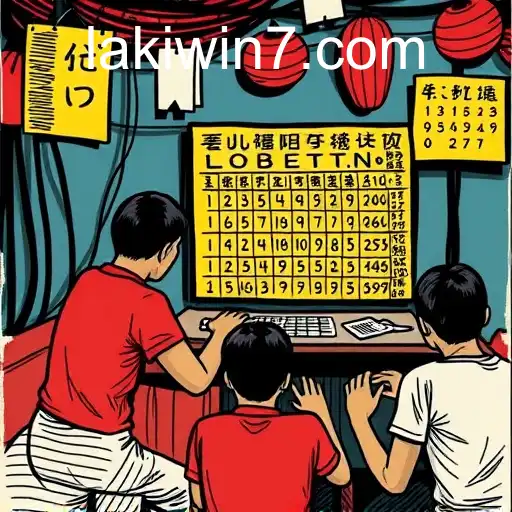
Jueteng is a popular and illegal numbers game in the Philippines, deeply embedded in its cultural and social landscape. Despite being outlawed, it continues to thrive in many communities across the country. Jueteng operates as a grassroots lottery system, with a vast network of operators, coordinators, and collectors. Participants choose a combination of numbers, and winners are selected through a random draw. The allure of this game lies in its simplicity, wide accessibility, and the hope it offers for a quick substantial gain.
Origins and Evolution
The origins of Jueteng can be traced back to the Spanish colonial period. It initially emerged as a pastime among Chinese-Filipino communities. Over the years, it spread nationwide, gaining popularity within Filipino households. Despite numerous government efforts to eradicate it, Jueteng has shown remarkable resilience. It has evolved to adapt to social and technological changes while maintaining its traditional roots.
The Influence of Lakiwin
Lakiwin is a term often linked with Jueteng, symbolizing the significant winnings that draw countless participants. The prospect of "lakiwin," or a substantial win, fuels the participation of many Filipinos, particularly those from lower-income communities. In areas where economic opportunities are limited, the promise of a "lakiwin" serves as a beacon of hope, a chance to improve one’s financial situation overnight.
Mechanics of the Game
Jueteng generally involves two sets of numbers ranging from 1 to 37. Players select a combination and place their bets with a local collector, known as a "kubrador." The game's accessibility is heightened by the relatively low cost of the bets, often just a few pesos. Draws are typically held twice a day, with results disseminated quickly through unofficial channels. The winning combination is determined by the draw, with winners receiving multiples of their initial bet, epitomizing the concept of "lakiwin."
Social and Economic Impact
For many, Jueteng is more than just a gambling activity; it is part of the social fabric. The game’s network provides employment for a substantial number of people as collectors, coordinators, and security personnel. However, it also poses considerable economic and ethical challenges. The informal nature of the Jueteng economy contributes to significant revenue losses for the government, which views it as a major impediment to formal taxation and regulation efforts. Additionally, the game fosters an environment where money laundering and corruption can thrive.
A Conundrum for Authorities
The resilience of Jueteng presents a significant challenge for law enforcement and governance. Despite stringent penalties and crackdowns, it persists and evolves. Regional authorities are often implicated in its proliferation, either by accepting bribes or actively participating in its operations. This complicity highlights deep-rooted corruption, making eradication efforts exceedingly complex.
Cultural Significance and Community Ties
Jueteng's cultural significance is evident in the social ties it creates. It often serves as a communal activity, bringing people together and fostering a sense of belonging. In many barrios and barangays, it is interwoven with daily life, so much so that any move to dismantle its operations is often met with resistance from the locals. The game provides a structure for communal interaction, often serving as a microcosm of societal dynamics.
Government Strategies and Alternatives
Over the years, various administrations have attempted to curtail Jueteng through raids and legislation. However, success has been limited, primarily due to the deeply entrenched nature of the game. Some suggest that legalizing and regulating the activity might offer a more sustainable solution. By transforming it into a state-sanctioned lottery, the government could potentially diminish corruption and harness its popularity into a source of legitimate revenue, emulating successful models seen in other countries.
Controversial Debates and Future Perspectives
The future of Jueteng remains uncertain. Advocates for legalization argue for its potential benefits, including job creation and increased tax revenues. Conversely, opponents highlight the ethical issues and the potential exacerbation of gambling addiction. As the debate continues, the notion of "lakiwin" remains a powerful draw for many Filipinos. It embodies the aspirations of those seeking to escape poverty through sheer luck.
Conclusion: A Persistent Gamble
Ultimately, Jueteng remains a conundrum within Philippine society. Its persistence is a testament to the interplay of culture, economic necessity, and political intricacies. Whether through reform, enforcement, or coexistence, the future trajectory of Jueteng will hinge on addressing the socio-economic conditions that make "lakiwin" such a compelling opportunity for its participants.
Exploring the Enchanting World of EcstaticCircus: A Fusion of Fantasy and Strategy

Delve into the captivating gameplay and rules of EcstaticCircus, a unique blend of whimsical adventure and strategic challenges.
2025-12-13
Discover the Exciting World of LuckyClover: A Game of Chance and Strategy

Explore the captivating gameplay and immersive experience of LuckyClover, a game combining luck and strategic thinking. Learn about its introduction, description, and rules.
2025-12-13
Exploring the Thrills of VolcanoRising: Unleash the Lakiwin Adventure

Dive deep into the explosive world of VolcanoRising, a captivating game filled with strategic gameplay, dynamic environments, and the mystical keyword 'lakiwin'.
2025-12-13
Exploring PlushieFrenzy: The Ultimate Lakiwin Experience

Discover the vibrant world of PlushieFrenzy, an exciting game that combines skill, fun, and adorable plush toys. Dive into the essentials of gameplay, rules, and the phenomenon of the Lakiwin experience.
2025-12-13
 download apk/ios